
March 30
By Al Wadleigh, GCFP
Article Summary
An at-home Feldenkrais lesson works well with a comfortable surface, clear sound, and room to move. This guide explains how to prepare your at-home space for floor-based or chair-based lessons using the space and materials you already have.
Your Space Matters
Your space supports the lesson by making it easier to listen, sense, move, pause, and notice differences. A comfortable temperature, a supportive surface, and clear sound allow more of your attention to stay with what you are doing.

Choose a Comfortable Place
Choose a living room, bedroom, office, or other place where you can settle for the length of the lesson. Soft natural light or a dim lamp works well because most of your attention will be on listening and sensing.
Wear clothing that lets you move easily. During a slow lesson, you may lie quietly for several minutes, so keep a light blanket nearby if the room is cool.
“Your nervous system is the most sophisticated learning tool you’ll ever own. This is where you begin to learn how to use it—by listening, sensing, and exploring.” —Al Wadleigh, GCFP
Prepare for a Floor or Chair Lesson
Floor-Based Lessons
Choose a firm surface with enough padding for comfort. A yoga mat, carpeted area, folded blanket, or moving pad can all work. The contact with the surface helps you sense where your weight rests as you roll, slide, and change direction. In a smaller area, pause and shift your position when you need a little more space.

Chair-Based Lessons
Use a firm, stable, armless chair that allows both feet to rest comfortably on the floor. A simple dining chair often works well. Leave room beside and in front of it for turning, reaching, and shifting your weight.

Set Up Sound, Screen, and Notifications
Test the volume before you lie down. Your computer speaker may work well; an external speaker or earbuds can make the instructions clearer.
Place the screen where you can glance at it comfortably. During the lesson, follow the verbal directions and sense what you do. When you want to look, pause, look at the screen, and then return to the movement. Setting your device to Do Not Disturb helps your attention remain with the lesson.
Props and Pets
Have a folded towel or other padding available; you may want to support your head in some positions. A few minutes of preparation gives you more continuity once you begin.
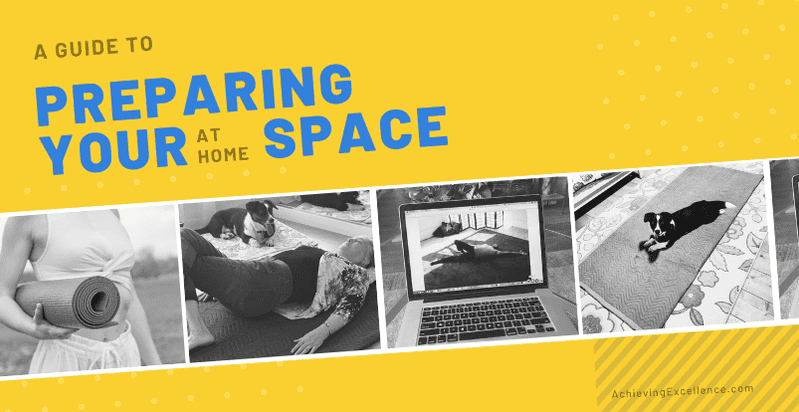
Companion animals love Awareness Through Movement® lessons. My dogs join me every day for my morning lesson. If you and your pets are new to doing Feldenkrais lessons, give yourself a little extra time to let your pets settle in.

Choosing a Mat, Moving Pad, or Massage Table

Yoga Mat
A yoga mat provides traction and light padding. It is easy to store and works especially well when you want your hands or feet to remain in place. For lessons with more sliding or side-to-side movement, two mats together can create a wider area.

Moving Pad
A furniture-moving pad (my personal preference) provides a broad, lightly padded area for sliding and rolling. I prefer one for many floor lessons because it gives me room to change direction. Arrange it securely on the floor and add traction when a particular movement calls for it.

Massage Table
A massage table provides a firm, padded surface for private online lessons planned around its size. Repositioning yourself on the table can make room for movements in different directions.
When the Space Is Ready
Before beginning, check that you can move comfortably, hear clearly, stay warm, and reach any prop requested for the lesson. Then let the arrangement recede into the background.
You’re All Set—Now What?
Once your space is ready, you’re one click away from exploring something new.
Try a Free Feldenkrais Lesson
Learn What to Expect in a Feldenkrais Class
Frequently Asked Questions
What do I need for an at-home Feldenkrais lesson?
Choose a comfortable place to lie down or sit, a supportive surface, and a device with clear sound. Gather any simple prop named in the lesson description.
Can I do a Feldenkrais lesson in a small space?
Yes. Begin with the space you have, make room for your arms and legs where possible, and reposition yourself as the movements change. Do the best you can with your surroundings.
Is a yoga mat suitable for a Feldenkrais lesson?
A yoga mat provides traction and light padding. For lessons with more sliding or side-to-side movement, place two mats together or use a moving pad or carpeted area.
How firm should the surface be for a floor lesson?
Choose a surface firm enough to let you sense where your weight rests, with enough padding for comfort. A yoga mat, carpeted area, folded blanket, or moving pad can all work.
Can I do an at-home lesson while sitting in a chair?
Yes. Use a firm, stable, armless chair that allows both feet to rest comfortably on the floor. Leave room beside and in front of it for turning, reaching, and shifting your weight.
Tags
Chair Lessons, Feldenkrais at home, Feldenkrais Mat, Floor Lessons, Home Practice, Moving Pad, Online Feldenkrais Lessons
